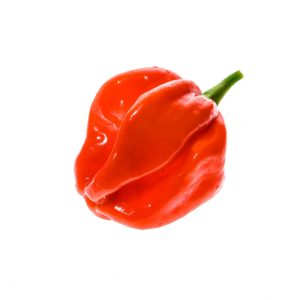
The Antillean pepper is a very hot variety of chili, known for its intense pungency—among the strongest in the entire Capsicum genus. The fruit varies in color from green when immature to orange or bright red when ripe, and typically measures between 2 and 6 cm in length.
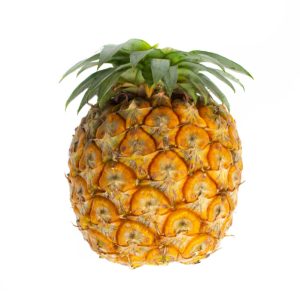
The pineapple, from the Bromeliaceae family, was named by early Spanish explorers for its resemblance to a pine cone. It has a thick, strong rind and bright yellow, aromatic, and sweet flesh. Numerous varieties exist, including Victoria, Spanish, Cayenne, Smooth Cayenne, Golden Sweet, Queen, and Baby, available year-round.
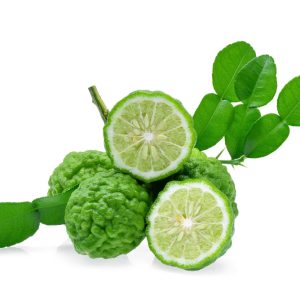
The Bergamot is the fruit of the Citrus bergamia Risso plant. Similar in size to an orange, it has a bright yellow skin and is harvested from November to March. Around 90% of its production is destined for the cosmetic and perfume industry. Traditionally, bergamot has been valued not only in perfumery but also in culinary preparations, such as liqueurs, elixirs, jams, candied fruits, and sweets.
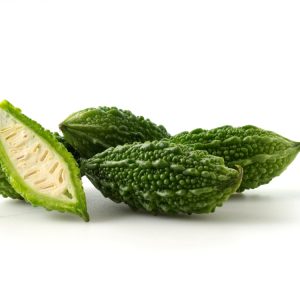
From the Cucurbitaceae family, Bitter Melon is a tropical fruit with an oblong shape measuring 20–30 cm in length, featuring a peculiar warty surface. Its white, juicy pulp forms a thin layer around the central cavity, which houses numerous seeds that can be white or red, depending on their stage of maturity.
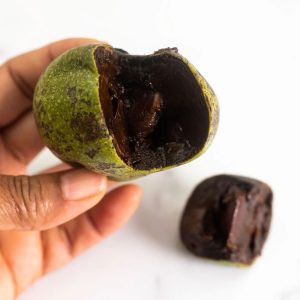
Black Sapote is a unique tropical fruit known for its smooth green skin and its soft, dark brown flesh inside when fully ripe. It is often called the “chocolate pudding fruit” because of its naturally sweet, rich flavor and creamy texture, with notes reminiscent of caramel, honey, prune, and cocoa-like dessert tones. Inside, the fruit contains several seeds that are removed before eating. Black Sapote is typically available depending on season and origin, and is prized for both its unusual taste and its dessert-like appeal.
The Chayote is the fruit of the chayotera plant, belonging to the cucurbitaceae family. Recognizable for its pear-like shape and smooth ivory rind with delicate ridges, this unique fruit contains a single seed that germinates inside the flesh itself. Each chayote can weigh anywhere from 200 grams to 2 kilograms.
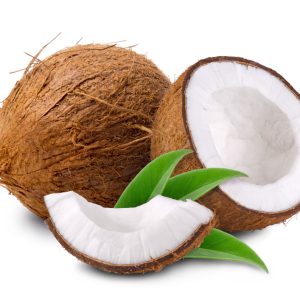
The Coconut, fruit of the coconut palm, often called the Tree of Life or Tree of Heaven, is one of the most versatile fruits in the world—every part of it can be used. There are over 40 varieties, varying in size and shape, with the Caribbean coconuts particularly prized for their quality. In tropical regions, the coconut tree is a vital resource for local communities, providing food, water, materials, and income.
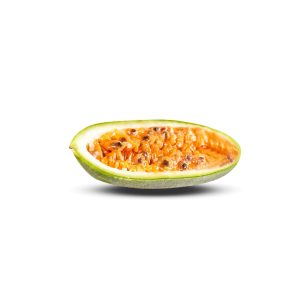
The Curuba, Colombia’s national fruit, is a tropical delight known for its pleasantly exotic flavor, which balances soft sweetness with a touch of acidity. Belonging to the Passionflower family, this fruit is cylindrical and oval, growing up to 11 cm long. Its smooth skin, similar to that of the passion fruit, turns yellow or red when ripe, while the gelatinous pulp inside offers a fresh, aromatic experience reminiscent of its botanical cousin. Available year-round, Curuba is a true staple of tropical abundance.
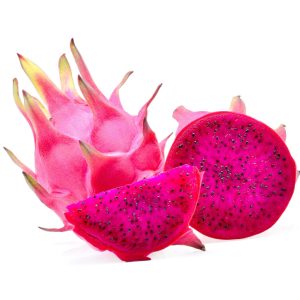
Dragon fruit, or Hylocereus triangularis, is a refreshing and aromatic exotic fruit that comes from a cactus native to humid tropical climates. The yellow pitahaya, from the Cereus triangularis Haw variety, is oval-shaped (about 12 cm) with bright yellow skin resembling a tropical pineapple and white, shiny pulp filled with small edible seeds. The red variety has smooth, carmine-colored skin and vibrant violet pulp, making it a visually striking and flavorful fruit. It is available year-round.
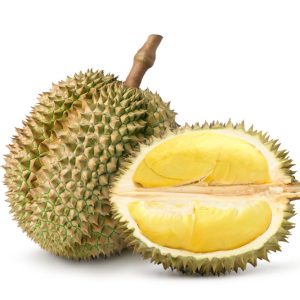
Durian (Fresh) Durian is a large tropical fruit known for its distinctive spiky shell and rich, custard-like flesh. When ripe, it has a creamy texture and a complex aroma that’s famously strong and instantly recognizable. Inside the thick husk, durian contains soft, pale yellow to deep golden segments (pods) surrounding large seeds. It’s typically seasonal, with availability depending on origin and harvest periods.
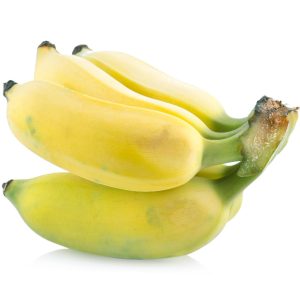
The banana, belonging to the Scythamine family, is one of the most popular and widely consumed fruits in the world. Recognizable by its elongated shape, yellow skin, and soft, creamy white pulp, the banana is both nutrient-rich and easily digestible. Bananas grow in clusters, typically forming nine or ten hands attached to the trunk. They are cultivated in tropical and subtropical regions globally, where they represent a staple food. Available all year round, there are numerous varieties, including Plantain, Baby Banana, and Red Baby Banana.
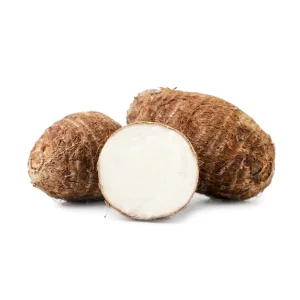
Eddoe, also known as taro, is a versatile root vegetable with a spherical or elongated shape, weighing between 30 and 450 g. Its flesh is usually white, though some varieties may have pinkish-yellow or orange tones. Eddoes are typically imported to Europe from Africa or Central America, as they are not commonly cultivated in Mediterranean regions, where they would compete with the well-established potato.