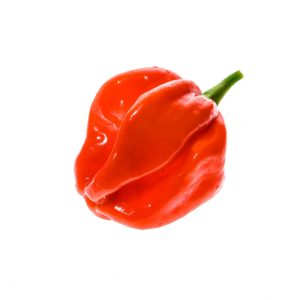
The Antillean pepper is a very hot variety of chili, known for its intense pungency—among the strongest in the entire Capsicum genus. The fruit varies in color from green when immature to orange or bright red when ripe, and typically measures between 2 and 6 cm in length.
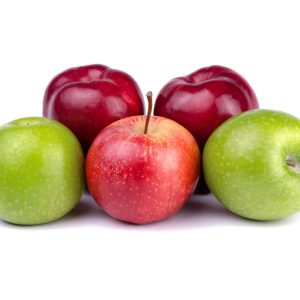
Enjoy apples fresh for a naturally sweet, refreshing taste, or use them in desserts, fruit salads, pastries, cooked dishes, or cider. Their versatility makes them perfect on their own or combined with other foods, whether hot or cold, sweet or savory. At Alba Exotic Fruit, we select only premium apples to ensure superior taste, quality, and freshness for every customer.
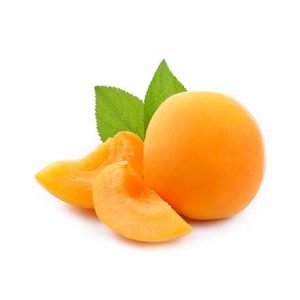
The apricot is a fruit with medicinal qualities: it is rich in vitamin A and C. Its consumption is highly recommended for cancer prevention and it is excellent for combating skin and respiratory system conditions. Its nutritional content is also very effective against digestive problems, high blood pressure and anemia.
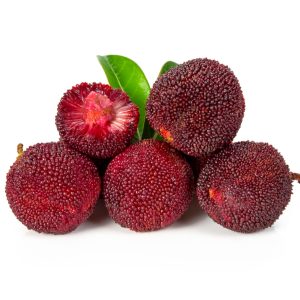
The strawberry tree fruit, from the Arbutus unedo species of the Ericaceae family, is a spherical fruit measuring about 2–3 cm in diameter. It resembles the wild strawberry, but is larger, with a bright red skin and a granular, textured surface. Its yellow pulp has a slightly bittersweet flavor, becoming pleasantly sweet when fully ripe. Inside, it contains 3 or 4 small, compressed seeds.
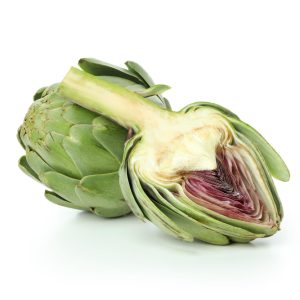
The artichoke is an inflorescence vegetable with a spherical or cylindrical shape, measuring 7–13 cm in diameter. It is composed of overlapping green or purple leaves, depending on the variety, enclosing a tender and juicy heart. Notable commercial varieties include ‘Blanca de Tudela’, prized for its rounded, compact shape and exceptional tenderness, and the Violet variety, of Breton origin, popular at the end of the national production season. Artichokes are available year-round, with peak production in late autumn and early spring.
Asparagus is a slender, spear-shaped vegetable with a woody base and tender tip, ranging from 10 to 20 cm in length. The most common variety is green asparagus, though white and purple varieties are also cultivated. Its color depends on how it is grown—green is grown in sunlight, while white is harvested before exposure to light.
The avocado, often called “green gold,” is a pear-shaped or oval tropical fruit with smooth to slightly rough skin, depending on the variety. Its outer color ranges from bright green to dark purplish-brown as it ripens. Inside, it reveals a soft, creamy green pulp with a single large seed in the center. Common varieties include Hass, Fuerte, and Bacon. Avocados are available year-round.
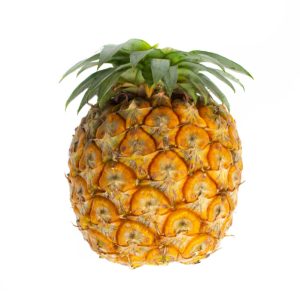
The pineapple, from the Bromeliaceae family, was named by early Spanish explorers for its resemblance to a pine cone. It has a thick, strong rind and bright yellow, aromatic, and sweet flesh. Numerous varieties exist, including Victoria, Spanish, Cayenne, Smooth Cayenne, Golden Sweet, Queen, and Baby, available year-round.
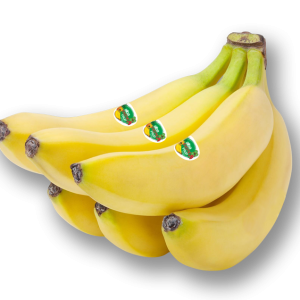
The banana, from the Scythamine family, is one of the most popular and widely consumed fruits worldwide. With its elongated yellow skin and soft, creamy white pulp, it is easy to digest and naturally nutritious. Growing in clusters of nine to ten “hands” attached to the plant’s trunk, bananas thrive in tropical and subtropical regions and form a staple in many diets.
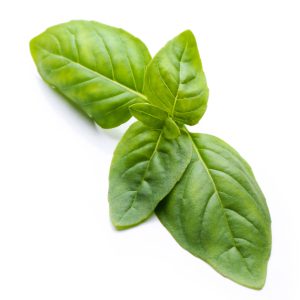
Basil is a fragrant aromatic herb characterized by its soft, oval-shaped leaves and vibrant bright green color. The leaves are smooth, tender, and slightly glossy, growing in opposite pairs along delicate stems. Depending on the variety, basil can vary in size, aroma, and leaf shape. Fresh basil is widely available throughout the year.
Beech mushrooms grow in tight clusters of small, slender stems topped with round, button-like caps. Their caps can range from pure white (White Beech) to light brown with subtle speckling (Brown Beech / Buna Shimeji). Each mushroom is typically 3–7 cm tall. Their texture is firm and slightly crunchy, holding up beautifully during cooking.
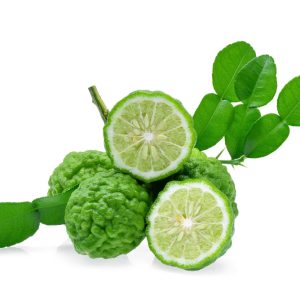
The Bergamot is the fruit of the Citrus bergamia Risso plant. Similar in size to an orange, it has a bright yellow skin and is harvested from November to March. Around 90% of its production is destined for the cosmetic and perfume industry. Traditionally, bergamot has been valued not only in perfumery but also in culinary preparations, such as liqueurs, elixirs, jams, candied fruits, and sweets.