
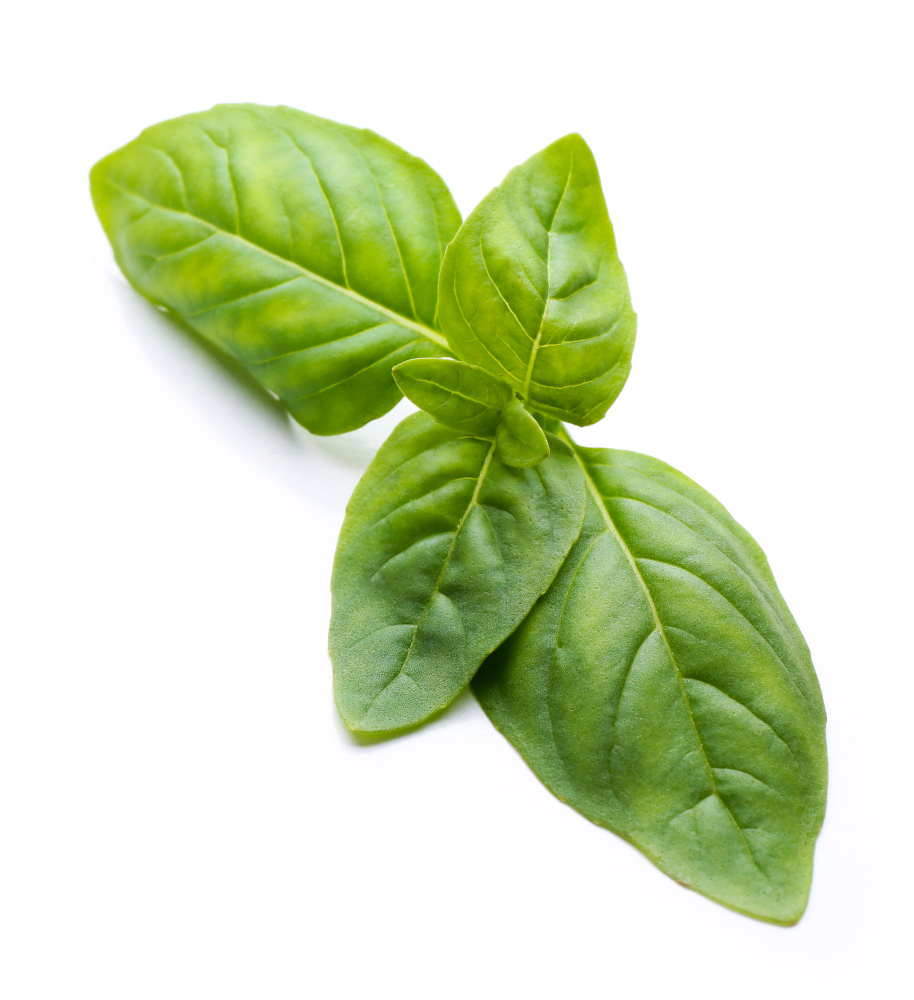
Description
Nutritional & Health Benefits
Basil is low in calories and rich in beneficial plant compounds. It provides:
-
Vitamin K
-
Vitamin A
-
Vitamin C
-
Iron, calcium, and magnesium
-
Antioxidants and essential oils
Basil supports immune health, helps reduce inflammation, and contributes to digestive and cardiovascular wellbeing. Its natural essential oils are also known for their antibacterial and calming properties.
Culinary Uses
Basil has a fresh, slightly sweet, and peppery aroma, making it a cornerstone of Mediterranean and international cuisine. It is best used fresh to preserve its delicate flavor.
It is ideal for:
-
Tomato-based dishes and salads
-
Pasta, pizza, and risottos
-
Fresh salads and dressings
-
Pairing with mozzarella and soft cheeses
-
Pestos, sauces, and garnishes
Basil is typically added at the end of cooking to maintain its fragrance and taste.
Storage
Fresh basil should be stored at room temperature, ideally with the stems placed in a glass of water, away from direct sunlight.
Avoid refrigeration, as cold temperatures can cause the leaves to darken and lose aroma. If needed, basil can also be frozen or preserved in oil for longer storage.

Reviews
There are no reviews yet.