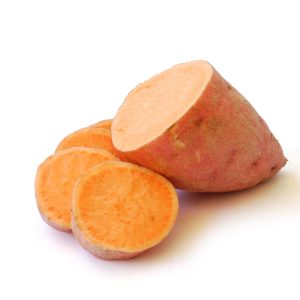
Sweet potato is an irregular, elongated tuber weighing approximately 0.2–2 kg. Its brown skin protects the white or orange flesh, which is firm and starchy. It is widely consumed in parts of America, where it is considered a staple food due to its richness in carbohydrates.
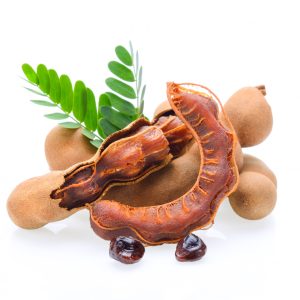
Tamarind is a tropical legume belonging to the Fabaceae family. Its cinnamon-colored pod measures between 7 and 15 cm in length, with a slightly curved and flattened shape. The outer skin is thin and brittle, enclosing a hard inner layer that protects 6 to 8 seeds surrounded by a soft, fibrous, brown pulp with a pleasantly acidic taste.
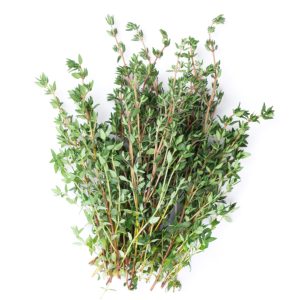
Thyme is a low-growing aromatic herb with thin, woody stems and small, oval-shaped leaves that range from green to grey-green in color. The leaves are firm and highly fragrant, releasing a strong herbal aroma when crushed. During flowering, thyme produces tiny pink, lavender, or white flowers. Fresh thyme is available throughout the year.
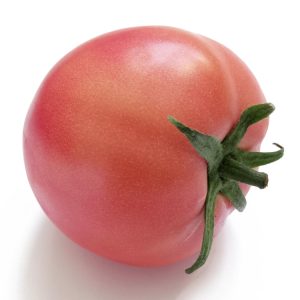
Known and consumed on five continents, the tomato is an essential vegetable in a healthy and balanced diet. It belongs to the Solanaceae family, and there are countless varieties distinguished by their shape, size, and color. This description focuses on the traditional varieties, which are spherical, flattened at both ends, and have a bright, intense red color when fully ripe. The inside contains succulent, juicy pulp, divided into small chambers filled with tiny edible seeds. Tomatoes are available on the market all year round.
The Tree Tomato, also known as Tamarillo, is a striking tropical fruit from the Cyphomandra betacea plant. Measuring between 5 and 10 cm, it resembles a plum on the outside and a tomato on the inside, with a smooth, deep red skin and a juicy, sweet-and-sour pulp that gives it its unique charm and name.
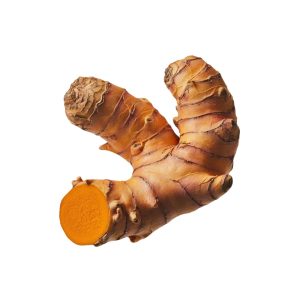
Belonging to the Zingiberaceae family, Turmeric is a vibrant aromatic spice widely used in Asian cuisine to add color and a warm, slightly spicy flavor to dishes. Its orange rhizome contains curcuminoids, phytochemical compounds with powerful medicinal properties. These include anti-inflammatory effects (beneficial for arthritis), hepatoprotective action, support for respiratory and gastrointestinal health, relief for skin conditions such as psoriasis and eczema, and antioxidant properties with potential cancer-preventive effects.
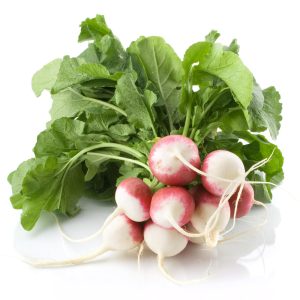
Turnip is a root vegetable with varied shapes and sizes—elongated and pointed, cylindrical, or flat—depending on the variety. The skin and flesh are generally yellowish-white, sometimes featuring a violet collar near the leaves. Its flavor is distinctive and slightly sweet, making it a popular ingredient in stews.
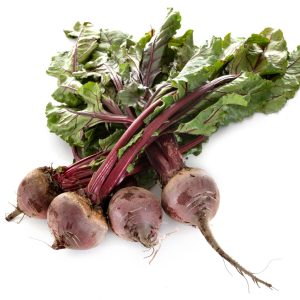
Turnip tops, also known as turnip greens, are the young, tender leaves of the turnip plant. They have elongated, green leaves with serrated edges and a slightly crisp texture. Harvested before the root matures, they are a leafy green vegetable with a fresh, slightly peppery flavor.
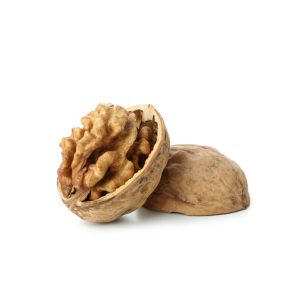
Appearance & Flavor: The walnut comes from the walnut tree (Juglandaceae family). It is a spherical fruit with a brown shell, formed by two halves. The interior is divided into two or four cells containing the seed, which provides succulent, flavorful meat. Its taste is distinctively sweet, lingering pleasantly on the palate.
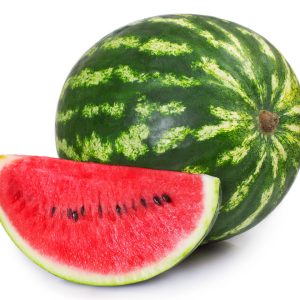
The watermelon, from the species Citrullus vulgaris, is a large, refreshing fruit enjoyed worldwide. Its shape ranges from round to elongated or ovoid depending on the variety. The thick, green rind often features distinctive patterns, while the vibrant red pulp contains small black seeds, offering both visual appeal and a naturally sweet, pleasant flavor. Some popular varieties include Charleston Grey, Chilean, Early Canada, Gray Bell, Klondike, Sugar Baby, and Quetzal Lee. At Alba Exotic Fruit, we select watermelons at peak ripeness for maximum freshness and flavor.
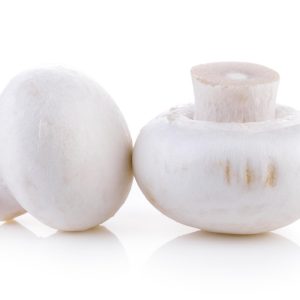
White button mushrooms are the youngest and most commonly consumed form of the Agaricus bisporus species. They have a smooth, round, white to creamy cap, typically 2–5 cm in diameter. Their stems are short and firm, and the gills are hidden under a tightly closed cap. Their texture is mild, tender, and slightly crisp, making them perfect for daily cooking.
The mushroom is a fleshy fungus characterized by a semi-round to rounded cap, depending on the variety. Its color can range from white and light cream to light or dark brown. The smooth skin may show light scaling when environmental humidity is low. The stipe (foot) is white, straight, and cylindrical, attaching to the mycelium—a network of filaments growing in the substrate. Mushrooms vary in size, influenced by their growing conditions, and are available year-round.