Description
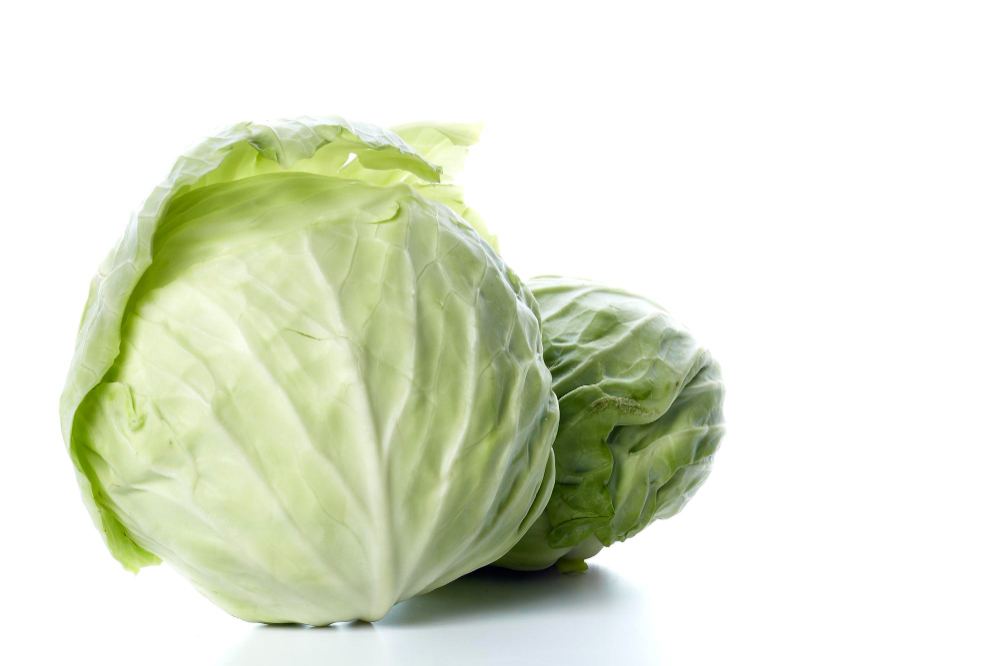
Cabbage forms a spherical, circular, or oblong head, depending on the variety. Its outer leaves are green and firm, while the inner leaves are lighter, tender, and smooth or slightly curly.
Nutritional & Health Benefits: Cabbage is rich in vitamin C, as well as sugars, proteins, and minerals, making it a nutritious and wholesome vegetable.
Culinary Uses: Cabbage can be cooked, steamed, boiled, or used in stews and soups. It pairs well with other vegetables like potatoes, carrots, and beans and can also be enjoyed in salads or fermented as sauerkraut.
Storage: To maintain freshness, cabbage should be kept in the refrigerator.
Cabbage forms a spherical, circular, or oblong head, depending on the variety. Its outer leaves are green and firm, while the inner leaves are lighter, tender, and smooth or slightly curly.
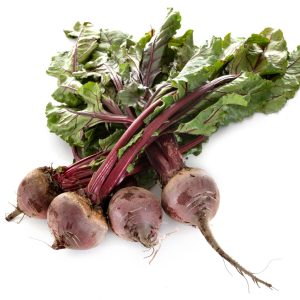
Turnip tops, also known as turnip greens, are the young, tender leaves of the turnip plant. They have elongated, green leaves with serrated edges and a slightly crisp texture. Harvested before the root matures, they are a leafy green vegetable with a fresh, slightly peppery flavor.
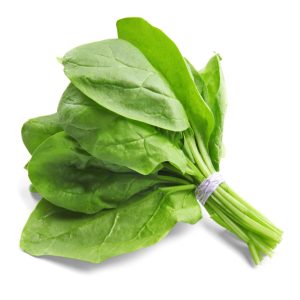
Spinach is a leafy green vegetable with broad, smooth or slightly crinkled dark green leaves attached to tender stems. It is typically sold in bunches or loose leaves, and its delicate texture and rich color make it easily recognizable.
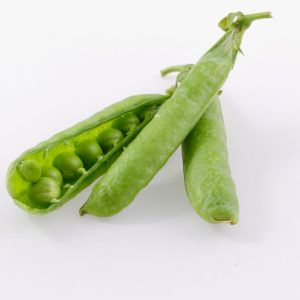
Broad beans, also known as fava beans, are large, flat, oval-shaped seeds contained in long, thick green pods. The beans are pale green when fresh, enclosed in a soft inner membrane. They can be eaten both fresh and dried. The plant itself grows upright, with sturdy stems and broad leaves.

Lettuce is a leafy vegetable from the Compositae (Asteraceae) family, forming a compact head or loose rosette of soft, crisp leaves. Depending on the variety, its leaves can range in color from light green to dark green, red, or even purple, and in texture from smooth to curly. The main varieties include Romaine (Cos), Iceberg, Butterhead, and Loose-leaf.
Reviews
There are no reviews yet.