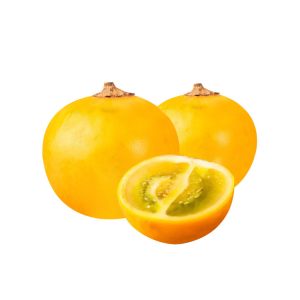
Belonging to the Solanaceae family, Lulo is a tropical fruit with an appearance reminiscent of a tomato. It is ovoid in shape, measuring 4–6 cm in diameter. Its outer shell is bright orange, while the interior is divided into four compartments separated by membranes, containing a yellowish pulp filled with numerous small seeds.
The lychee, from the Sapindaceae family, is an exotic oval-shaped fruit about 4 cm in diameter. It has a red to pink skin that is easy to peel, revealing a white, translucent, and juicy pulp that completely surrounds the seed. Its pulp is sweet and aromatic, highly prized for its delicate flavor and fragrance.
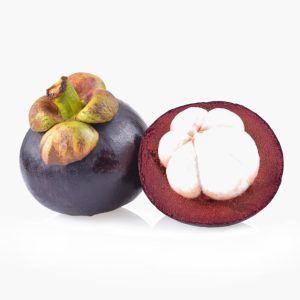
The mangosteen is a tropical fruit from the Hypericaceae family, prized for its exquisite flavor. It is spherical, with a thick violet-brown skin. The white pulp is divided into 5–6 segments, very juicy, refreshing, and tender, melting gently on the palate. Its sweet aroma is one of its most distinctive qualities.
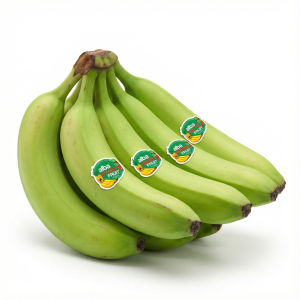
Organic bananas are elongated fruits with a smooth, bright yellow peel when ripe and a soft, creamy white flesh inside. Grown without synthetic pesticides or chemical fertilizers, they develop naturally, offering a clean appearance and authentic aroma. Bananas grow in clusters, known as hands, and are available year-round.
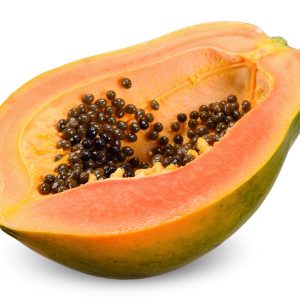
The Papaya Formosa is one of the largest papaya varieties, weighing 2–3 kg. It has a yellow-orange skin and an exquisite orange pulp that is juicy, sweet, and aromatic, containing black seeds easily removed like those of a melon. This variety stands out for its size, flavor, and refreshing qualities, making it one of the most appreciated exotic fruits.
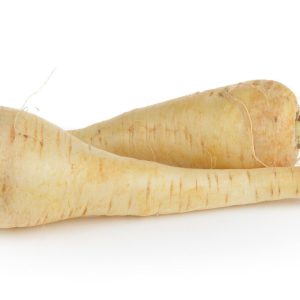
Appearance & Flavor: Similar in shape to parsnips but whiter in color, with a flavor that blends carrot and celery. Its texture is smooth and creamy when cooked, and crispy and tender when raw.
Passion fruit is a tropical fruit from the Passionflower family. It is round with a thick but not hard skin, which changes color from bright green to yellow when fully ripe. Its gelatinous pulp is very juicy, aromatic, and tropical, containing numerous small seeds that add texture and flavor. Passion fruit is available on the market year-round.
Peeled Jackfruit is a ready-to-enjoy tropical fruit prepared from the ripe flesh of jackfruit, with the outer rind and core already removed for convenience. It is known for its golden-yellow pods, naturally sweet aroma, and juicy, chewy texture. Each pod offers a rich tropical flavor and may contain a seed inside, depending on preparation. Peeled Jackfruit is prized for its convenience, freshness, and versatility, making it an easy option for both direct consumption and recipe use.
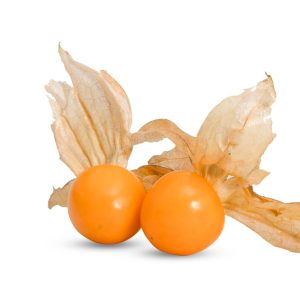
The Physalis, also known as Alquejenje (Physalis peruviana L.), is a unique fruit naturally protected by a dry calyx, the petals of its flower that encase and safeguard the fruit. The berry is cherry-sized, with an intense orange-yellow color that becomes visible once the protective leaves are removed. Its delicate texture is similar to a cherry tomato.
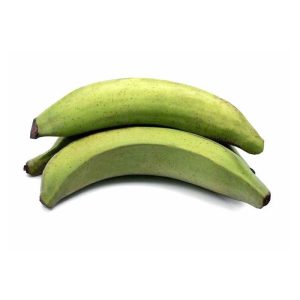
Plantain (Platano Banana) Platano banana, commonly known as Plantain, is a larger, firmer type of banana with a thicker peel and a more starchy flesh. Unlike sweet dessert bananas, plantains are often used cooked and can be enjoyed at different ripeness stages—green for savory dishes and yellow/black-spotted for a sweeter, caramel-like taste when cooked. They’re available most of the year, depending on origin.
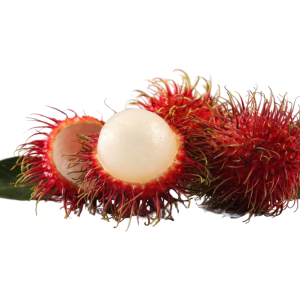
The Rambutan (Nephelium lappaceum), also known as the “little hedgehog of the tropics”, belongs to the Sapindaceae family and is one of the most popular tropical fruits in its native regions. Roughly the size of a walnut, it has a thick, soft, and hairy shell—its fine, flexible spines giving it a distinctive look. The shell’s color ranges from reddish to brown, while the translucent yellow pulp inside surrounds a single almond-shaped seed. Its flavor is refreshing, juicy, and bittersweet, often compared to that of lychee.
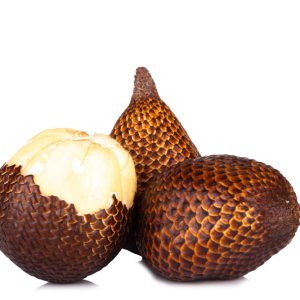
The Salak (Salacca zalacca), commonly known as “snake fruit” due to its reddish-brown scaly skin, is the fruit of a small palm tree with a short trunk and long, sharp thorns. Each oval drupe, measuring 5–8 cm in length, grows in clusters at the base of the palm. Inside the peel lies a firm, segmented pulp that encloses a hard seed about the size of a hazelnut.