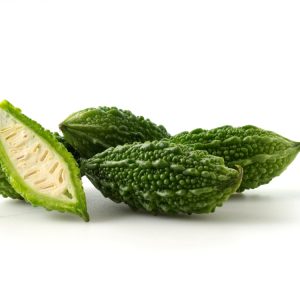
From the Cucurbitaceae family, Bitter Melon is a tropical fruit with an oblong shape measuring 20–30 cm in length, featuring a peculiar warty surface. Its white, juicy pulp forms a thin layer around the central cavity, which houses numerous seeds that can be white or red, depending on their stage of maturity.
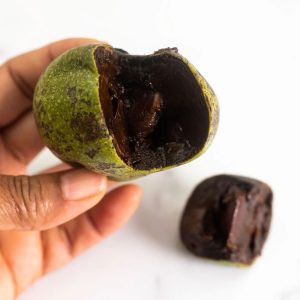
Black Sapote is a unique tropical fruit known for its smooth green skin and its soft, dark brown flesh inside when fully ripe. It is often called the “chocolate pudding fruit” because of its naturally sweet, rich flavor and creamy texture, with notes reminiscent of caramel, honey, prune, and cocoa-like dessert tones. Inside, the fruit contains several seeds that are removed before eating. Black Sapote is typically available depending on season and origin, and is prized for both its unusual taste and its dessert-like appeal.
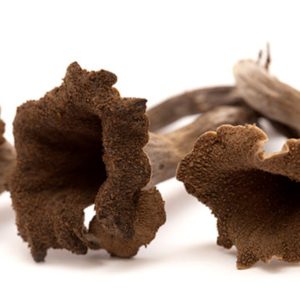
Black Trumpet mushrooms—also known as Horn of Plenty or Black Chanterelle—are elegant wild mushrooms with a deep, smoky grey to charcoal-black color. They have a trumpet-shaped, hollow body, with thin, delicate flesh and a smooth exterior. The caps are flared and wavy, while the underside does not have true gills, giving the mushroom a minimalist, refined look. Despite their fragile appearance, their aroma and flavor are exceptionally strong and distinctive.
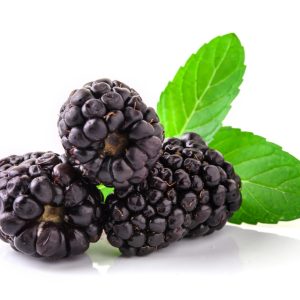
The blackberry, from the Moraceae family, belongs to the group of wild forest fruits known as berries. It is a small, round or slightly oval fruit, composed of numerous tiny drupes that cluster together. Depending on the variety, its color ranges from deep red to glossy black, and its size typically measures 1.5 to 2 cm. The flavor of the blackberry is sweet, juicy, and pleasantly aromatic. Thanks to off-season imports, fresh blackberries are now available year-round in specialized markets.
The blueberry, a forest fruit from the Ericaceae family, is small, round, and highly aromatic. It turns from reddish when green to a deep blackish-blue when ripe, covered by a delicate bluish bloom that gives it its characteristic appearance. Similar in size to the currant, the blueberry stands out for its juicy pulp and pleasant balance between sweetness and acidity.
Broad beans, also known as fava beans, are large, flat, oval-shaped seeds contained in long, thick green pods. The beans are pale green when fresh, enclosed in a soft inner membrane. They can be eaten both fresh and dried. The plant itself grows upright, with sturdy stems and broad leaves.
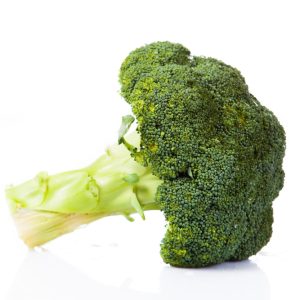
Broccoli is a green cruciferous vegetable characterized by its thick edible stalk and a compact, flowering head made up of numerous tightly clustered green florets. The head resembles a miniature tree. Its leaves are also edible and have a slightly tougher texture. The most common variety is the green type, though there are also purple cultivars.
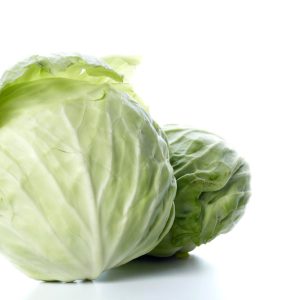
Nutritional & Health Benefits: Cabbage is rich in vitamin C, as well as sugars, proteins, and minerals, making it a nutritious and wholesome vegetable.
Culinary Uses: Cabbage can be cooked, steamed, boiled, or used in stews and soups. It pairs well with other vegetables like potatoes, carrots, and beans and can also be enjoyed in salads or fermented as sauerkraut.
Storage: To maintain freshness, cabbage should be kept in the refrigerator.
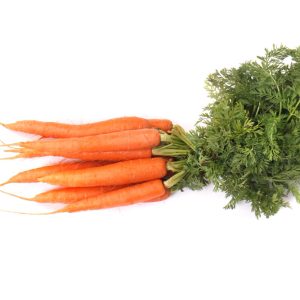
The carrot is one of the most frequently consumed vegetables, enjoyed both raw and cooked. It is an elongated root, semi-thick and conical in shape, with its bright orange color extending from the skin to the flesh. From its base grow thin, long stems that support delicate green leaves. There are numerous varieties, ranging from mini-carrots to larger bunches, and they are available all year round.
Cauliflower has a compact, circular head formed by tightly clustered florets, typically white or sometimes yellowish, wrapped in green leaves with prominent veins. The diameter of the head is usually around 20 cm. There is also a green-flowered variety available.
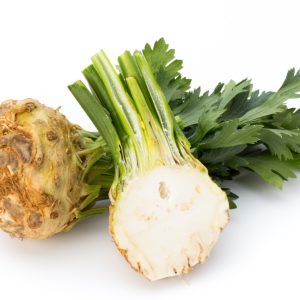
Celeriac is a large, spherical, bulbous root with a diameter of approximately 4–8 inches. Unlike celery, the edible part grows underground. Its outer skin is brownish, while the interior flesh is lighter in color. Celeriac is available year-round, with the best quality typically in autumn and winter.
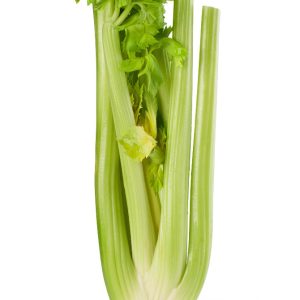
Celery is a well-known and popular vegetable from the Umbelliferae family. It develops fleshy, crunchy stalks with leafy tops. Traditional soil-bleaching methods are no longer used, as modern dense cultivation techniques naturally produce pale stalks. Current market varieties include turnip celery and cut celery.