Chanterelles are among the most prized wild mushrooms, known for their trumpet-shaped caps and vibrant golden-yellow to deep orange color. Their caps are wavy and irregular, with a smooth or slightly ridged surface. The underside features false gills—forked, shallow ridges that run down the stem rather than true, separate gills. Chanterelles have a firm, velvety texture and a naturally fruity, apricot-like aroma.
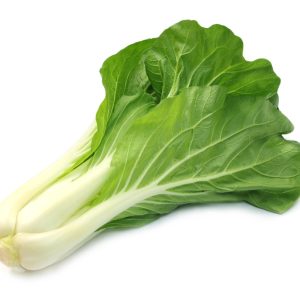
Swiss chard is a vivid and refreshing leafy vegetable. It features a thick, white central rib surrounded by fleshy stems, from which large, deep green leaves emerge. Common varieties include Blonde (white stalk), Green Common, Lucullus, and Yellow Lyon. Swiss chard is available year-round.
The Chayote is the fruit of the chayotera plant, belonging to the cucurbitaceae family. Recognizable for its pear-like shape and smooth ivory rind with delicate ridges, this unique fruit contains a single seed that germinates inside the flesh itself. Each chayote can weigh anywhere from 200 grams to 2 kilograms.
Whether eaten fresh, paired with other fruits, or enjoyed with juices and liqueurs, cherries are a versatile treat. They also shine in jams, preserves, and desserts. For best flavor, cherries should be kept cool or refrigerated until served. At Alba Exotic Fruit, we carefully select and deliver only the finest cherries for maximum freshness and taste.
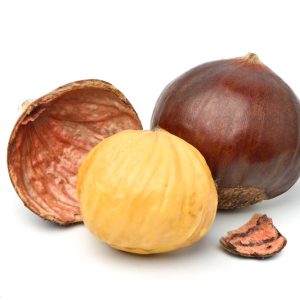
Season & Appearance: Chestnuts are a classic autumn and winter product, typically available from early fall to late winter. The most commonly consumed variety is European, though Chinese, Japanese, and American types are also notable. Choose chestnuts with shiny, intact shells for optimal quality.
Chicory (Belgian endive) is a compact, elongated bud made up of tightly layered leaves that range from pale white to soft yellow. Grown entirely away from light, its leaves stay tender, smooth, and delicately crisp. Measuring between 9 and 17 cm, each bud has a clean, elegant look, making it a premium ingredient for fresh dishes and gourmet presentations.
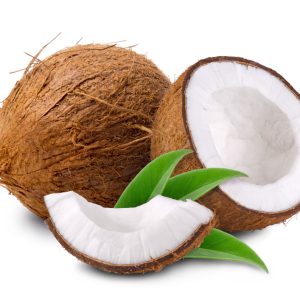
The Coconut, fruit of the coconut palm, often called the Tree of Life or Tree of Heaven, is one of the most versatile fruits in the world—every part of it can be used. There are over 40 varieties, varying in size and shape, with the Caribbean coconuts particularly prized for their quality. In tropical regions, the coconut tree is a vital resource for local communities, providing food, water, materials, and income.
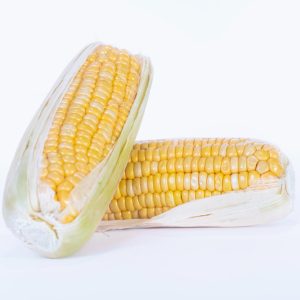
Corn, also known as maize, is a tall cereal plant that produces ears covered with green husks and rows of golden or white kernels attached to a cob. Each ear typically measures 15–30 cm in length. Depending on the variety, kernels may also be red, purple, or multicolored.
Cranberries are small, round berries with a bright red to deep crimson color and a smooth, glossy skin. They grow on low, trailing vines and are known for their firm texture and naturally tart flavor. Fresh cranberries are typically harvested in autumn, but thanks to modern storage and processing methods, they are available year-round in fresh, dried, or processed forms.
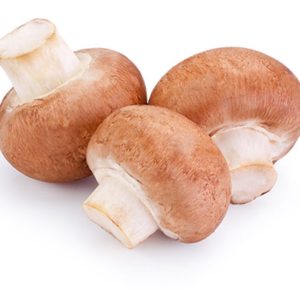
Crimini mushrooms are the medium-mature stage of the Agaricus bisporus species, sitting between white button and portobello mushrooms in growth. They have a light to medium brown cap, smooth and slightly firm, usually measuring 3–6 cm in diameter. Their flesh is denser and more compact than white mushrooms, offering a deeper color and richer aroma.
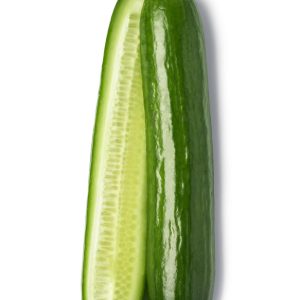
Cucumber is a long, cylindrical vegetable with a smooth or slightly bumpy green skin and a pale green to translucent interior. It typically measures 15 to 30 cm in length. Depending on the variety, cucumbers may have thin, edible skins or thicker ones that are peeled before eating. Inside, the flesh is crisp, juicy, and refreshing.
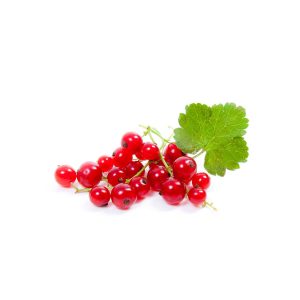
The currant, a member of the Grossulariaceae family, is known for its three characteristic varieties: white currant, red currant, and black currant. These small, grape-like fruits grow in clusters and have a round shape, about the size of a pea. The flesh—usually matching the color of the skin—contains tiny edible seeds. With its pleasantly acidic flavor, the currant is widely used in desserts, sauces, and jams, adding both taste and a beautiful visual touch.